
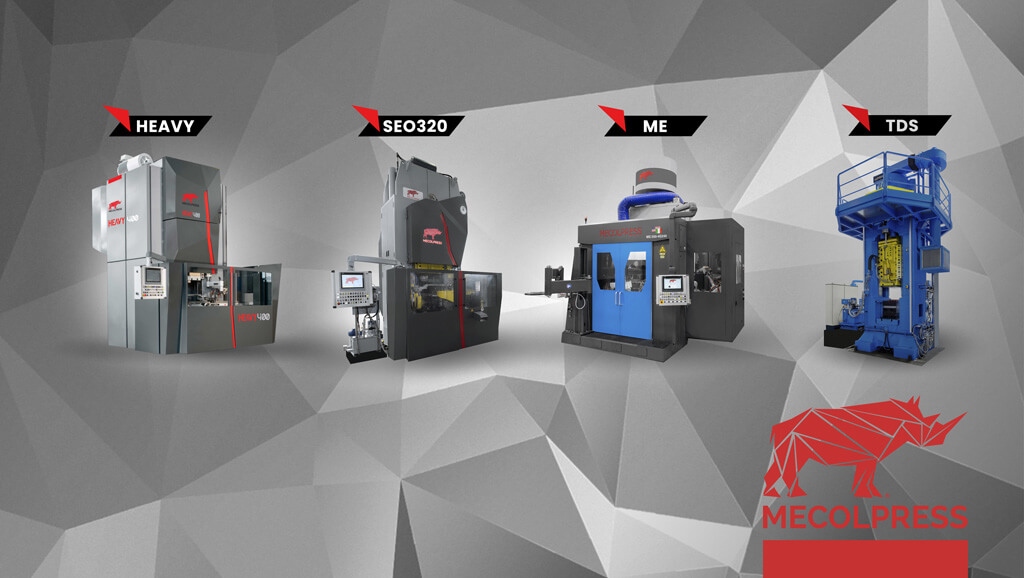
Each material requires the right forging technology
Mecolpress hydraulic, mechanical, and screw presses for hot forging of brass, aluminum, and stainless steel
Brass, aluminum, and stainless steel require different forging technologies. Mecolpress, with over 50 years of experience in hot forging metals and alloys, offers the most suitable solution according to the material, component geometry, and required productivity.
Mecolpress can propose three different technologies:
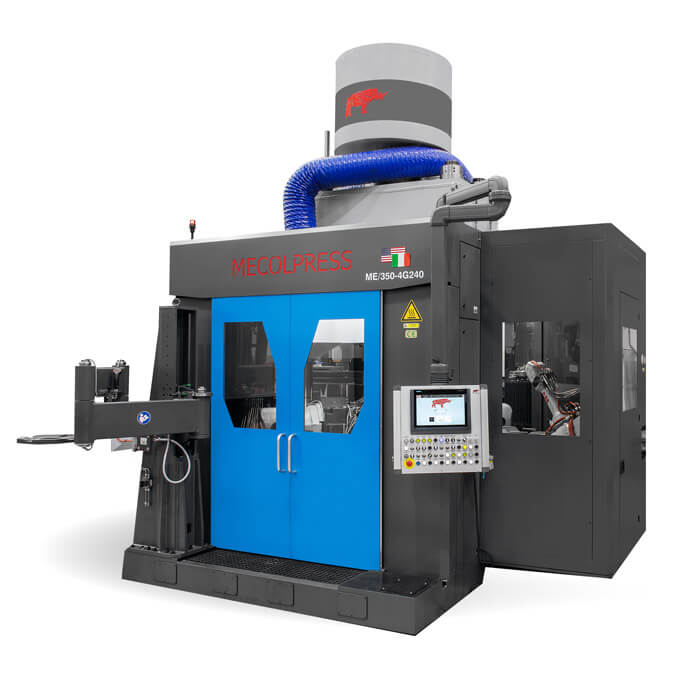
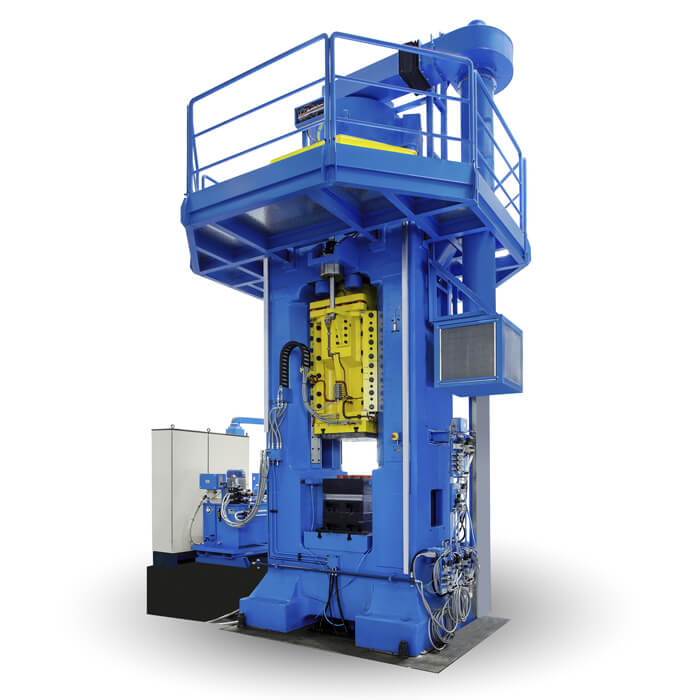
ME hydraulic presses
Mecolpress hydraulic presses reach up to 500 tons of dies clamping force and can be configured with four horizontal punches, up to 350 tons, and one vertical punch.
They are particularly suitable for forging complex-shaped brass and aluminum components, flash and with deep holes pre-forming
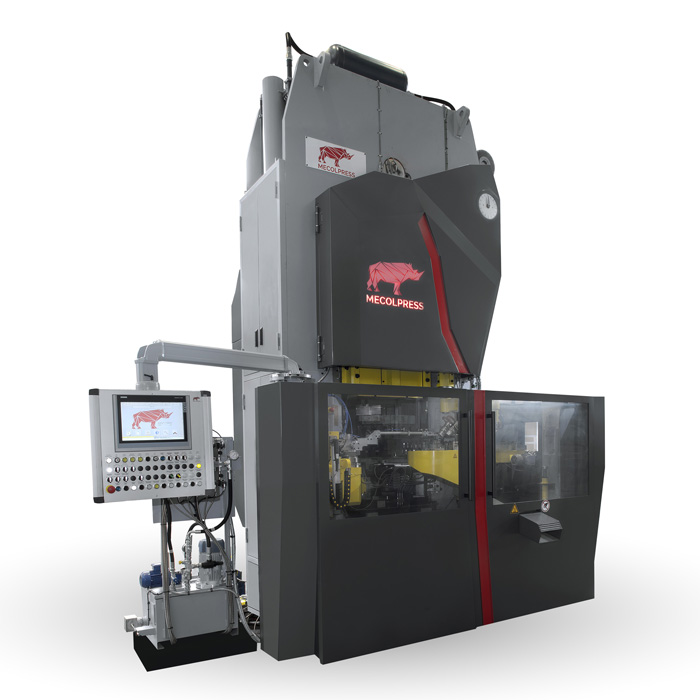
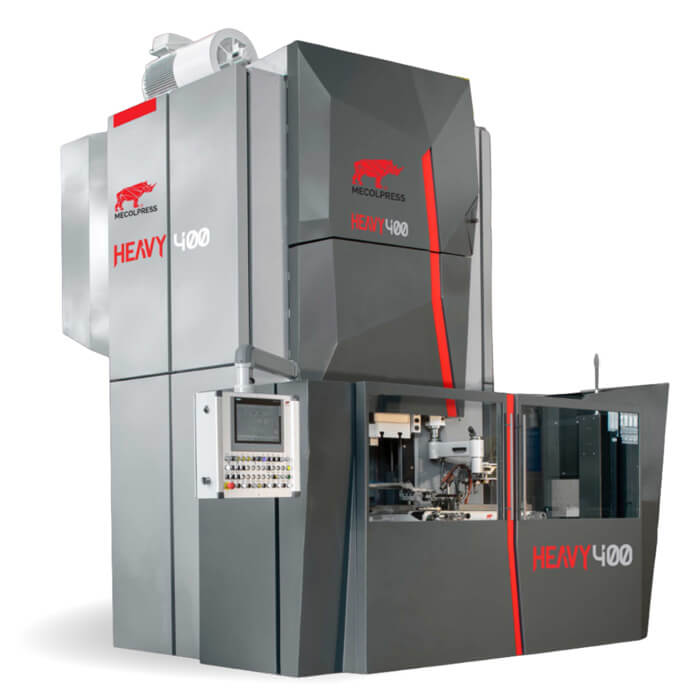
SEO and Heavy mechanical eccentric presses
Mecolpress mechanical presses have capacities of up to 600 tons and can be equipped with hydraulic cushions of up to 120 tons.
They are suitable for the high-productivity forging of brass and aluminum components, with speeds of up to 40 strokes per minute.
TDS and FDS screw presses
Mecolpress screw presses are designed for forging steel, stainless steel, aluminum, titanium, and other special alloys.
They are particularly suitable for components with complex geometries, thin thicknesses, and for processes requiring high deformation energies.
.
Efficiency and process control
Mecolpress technologies are designed to improve productivity, efficiency and control of the forging line.
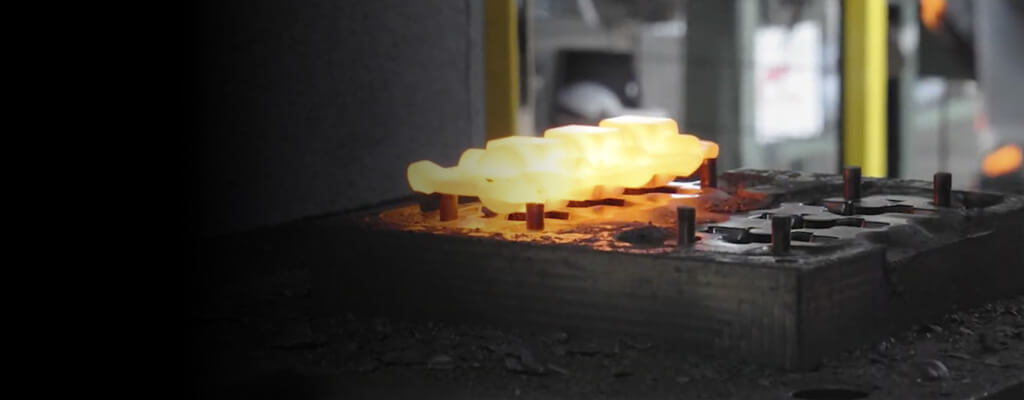
Among the main advantages:
- reduced energy consumption, thanks to modern electronic and hydraulic power management systems;
- high production capacity, thanks to short cycles, multi-cavity dies, and process automation;
- control of forging parameters through Calipso software;
- reduced setup times, thanks to quick dies changing systems;
- remote and on-site assistance and availability of spare parts to ensure production continuity.
The Calipso software allows to collect and monitor the main press parameters during each forging cycle, comparing them with the set values and contributing to improve process quality control.
How the forging process changes depending on the material
Material types influence temperature, required force, dies design, and process parameters.
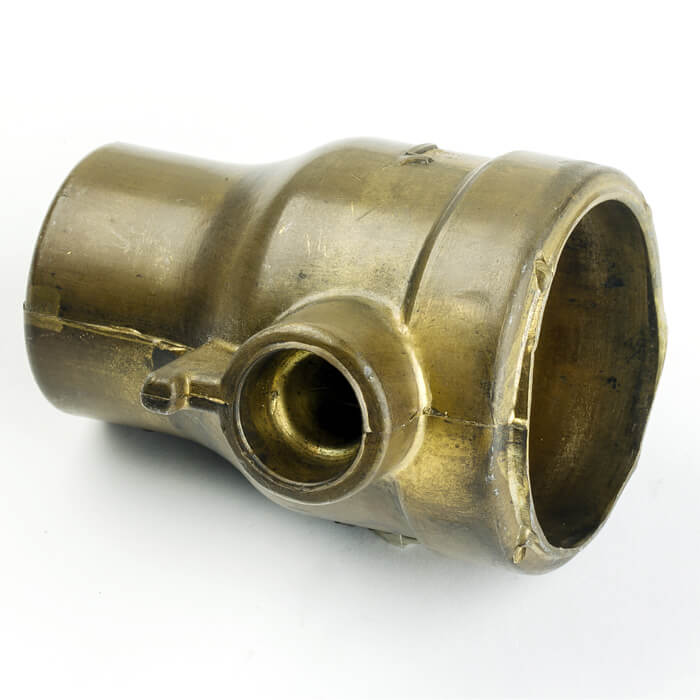
Brass features high ductility and good hot fluidity, with a relatively wide thermal window and generally low risk of cracking.
The forging temperature is approximately between 650 and 750°C, depending on the alloy.
It allows for short cycles, high productivity, and the creation of complex shapes and deep holes. It is widely used in the production of fittings, valves, hydraulic components, and complex parts produced in large quantities.
Depending on the component and the required productivity, Mecolpress can offer ME hydraulic presses or SEO and HEAVY mechanical presses.
Alluminum
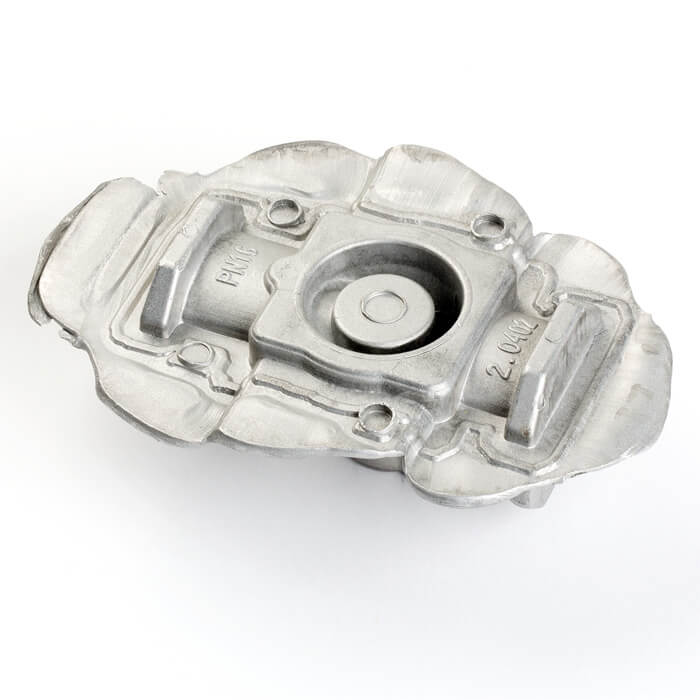
Aluminum offers good deformability but requires more precise thermal control.
The process temperature for the most common forging alloys is approximately 430 to 500°C.
The 6000 series alloys generally have good forgeability, while some 7000 series alloys require more attention during the process.
Aluminum offers an excellent strength-to-weight ratio and is particularly used in the automotive, aeronautics, and transportation sectors.
Depending on the alloy, geometry, and production volume, it can be processed with hydraulic presses, mechanical presses, or screw presses.
Stainless steel
Stainless steel offers greater resistance to deformation, even at high temperatures, and therefore requires higher pressing forces and particularly robust dies.
The forging temperature is approximately between 900 and 1,200°C, depending on the alloy.
It guarantees high mechanical strength and excellent corrosion resistance, making it particularly suitable for the food, medical, chemical, and structural industries.
For these processes, Mecolpress primarily offers its screw presses.
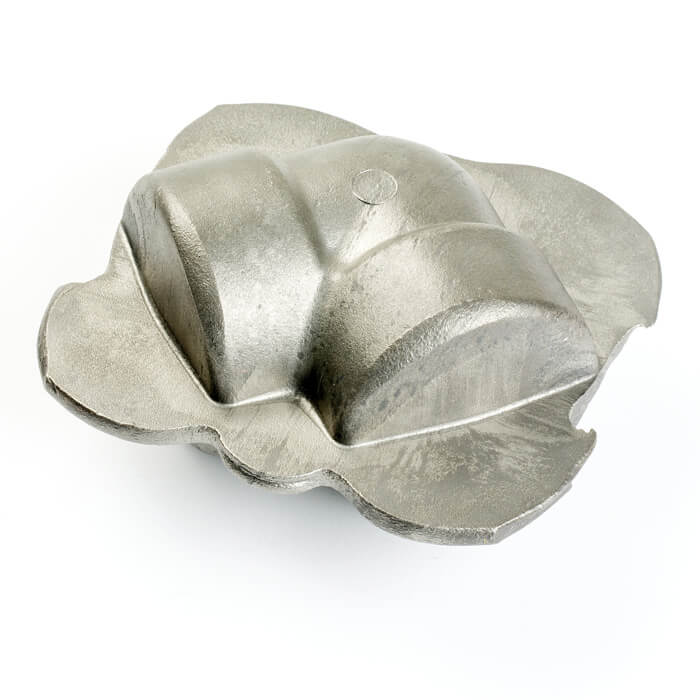
Brass, aluminum, and stainless steel compared
| Material | Hot forgeability | Process temperature | Indicative mechanical resistance | Corrosion resistance | Process complexity |
| Brass | High | 650–750 °C | 300–400 MPa | Good | Low |
| Alluminum | Good | 430–500 °C | 250–450 MPa | Optimal | Medium |
| Stainless steel | More challenging | 900–1.200 °C | 550–600 MPa | Excellent | High |
The values shown are indicative and may vary depending on the alloy, the geometry of the component and the process used.
Mecolpress technology for each material
Each material presents specific forging requirements.
Mecolpress combines hydraulic presses, mechanical presses, screw presses, automation, and Calipso software to identify the best solution for the material, component, and customer production objectives.
Contact Mecolpress to identify the most suitable technology for your forging process
The Mecolpress team is available to provide a customized technical analysis.
📩 Contact us through our website: www.mecolpress.com

Exhibitions 2024: Mecolpress at AHR (U.S.A.)
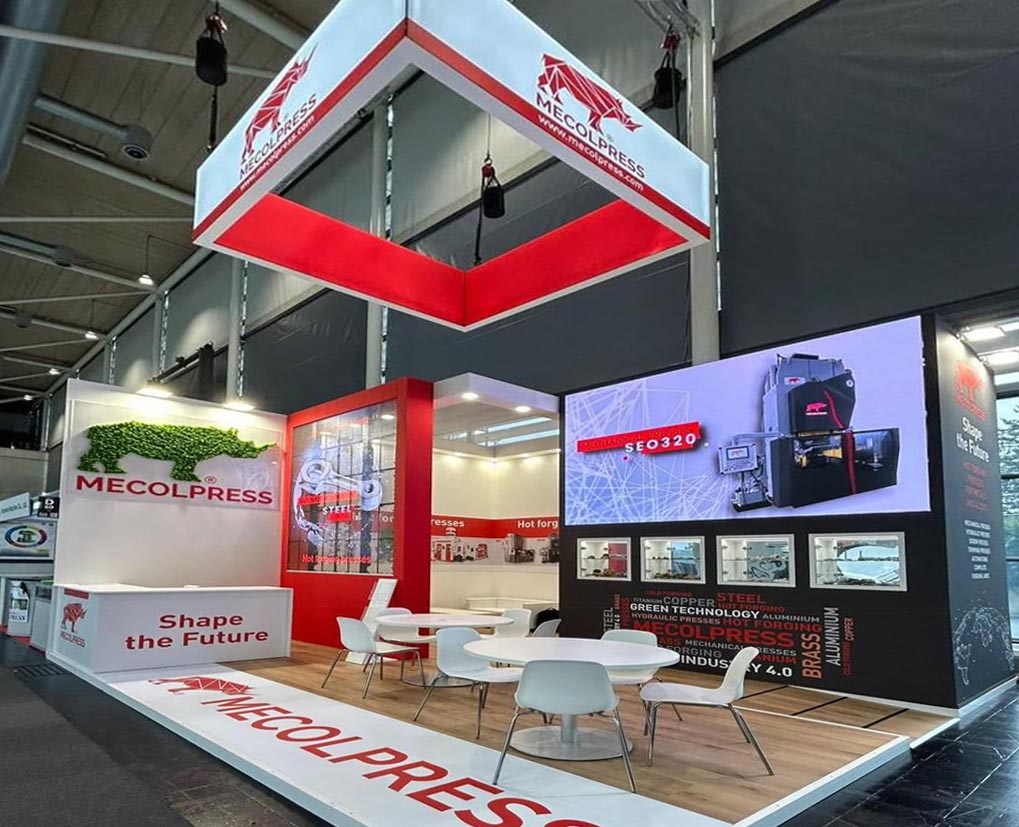
AHR 2024
AHR EXPO – CHICAGO
The largest event in the HVACR industry returns to Chicago.
Three days dedicated to the latest energy saving solutions and sustainable technology in the field of heating, ventilation and air conditioning systems.
It will be held from 22 to 24 January 2024, in Chicago at McCormick Place .
We look forward to seeing you at our Booth: South Building – Stand S10262
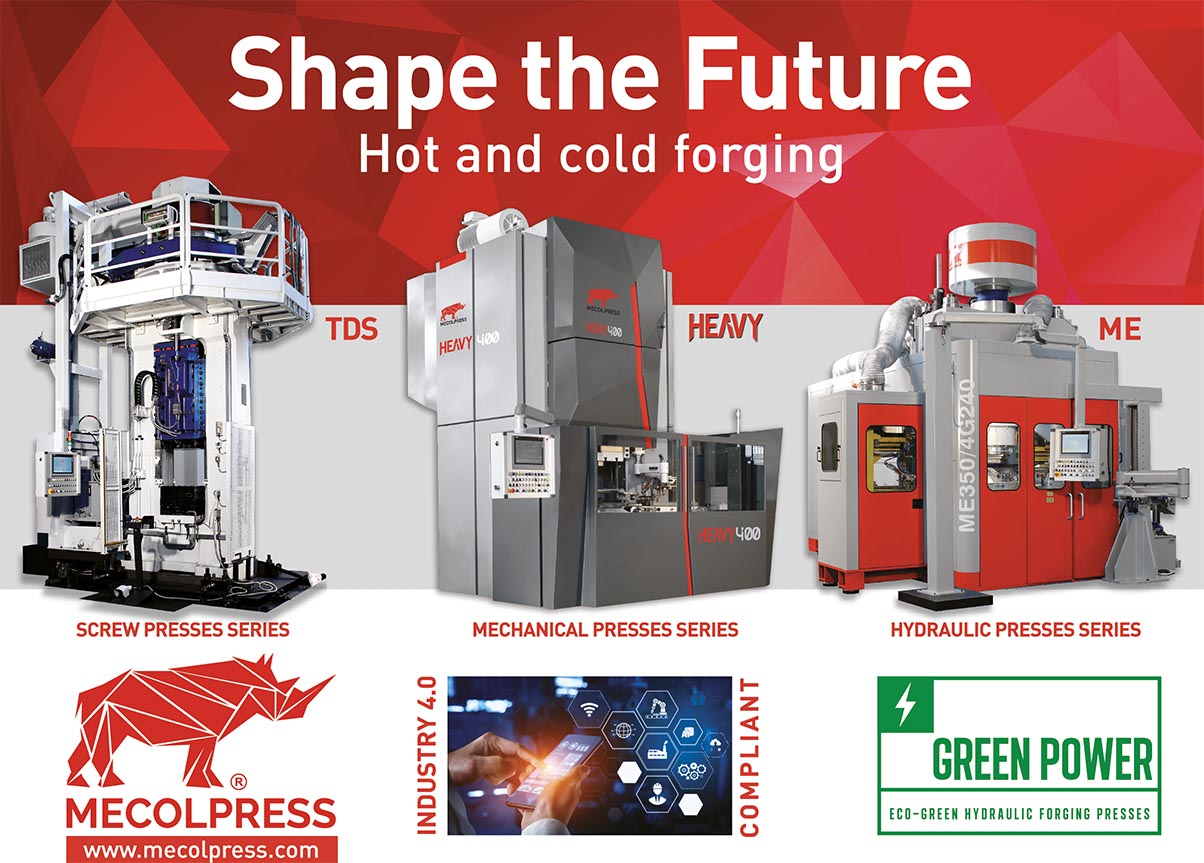
Mecolpress presents the latest innovations in the field of brass hot forging:
- SEO and Heavy mechanical eccentric presses from 320 to 600 tons, high productivity up to 40 strokes per minute.
- ME series hydraulic presses: flash-free forging with significantly reduced energy consumptions.
- Direct drive screw presses: suitable to produce parts having complex geometry!
Augmented Reality, the press just a click away
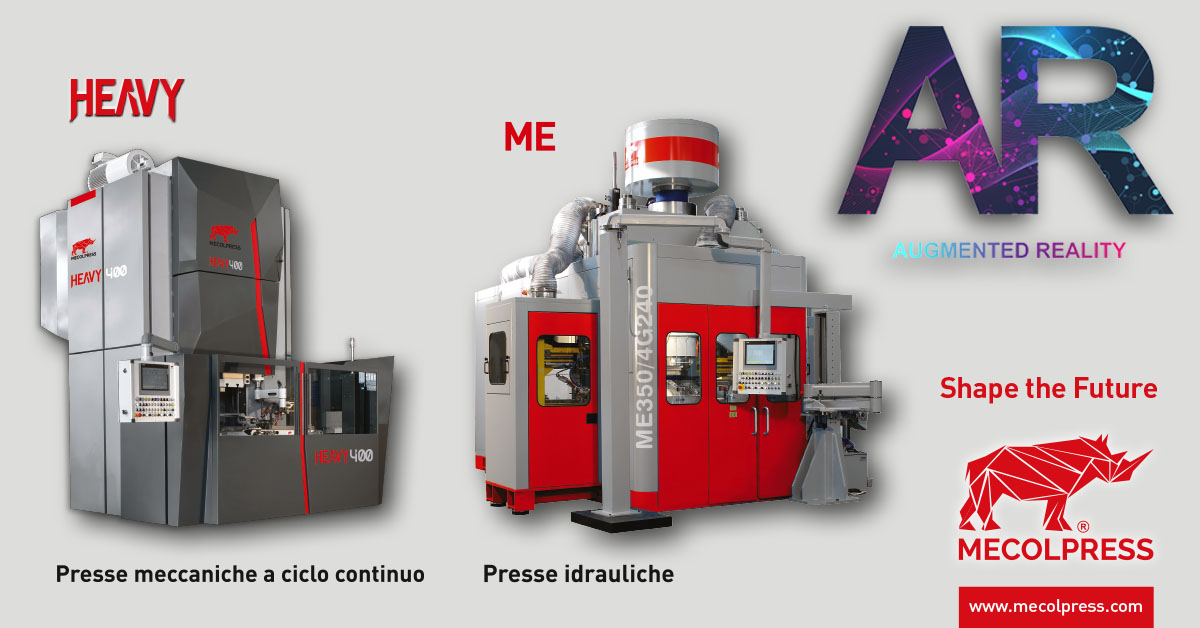
On our booth it will be possible to view two presses in Augmented Reality: ME and Heavy series.
This technology allows to overlap multimedia information on the reality framed by the camera of your mobile device, smartphone and/or tablet, enriching the vision of the surrounding space with additional digital contributions.
Get your free admission ticket

To facilitate the visit and access in safety, it is appropriate to register to get the free admission ticket.
You can request it by simply filling out this form:
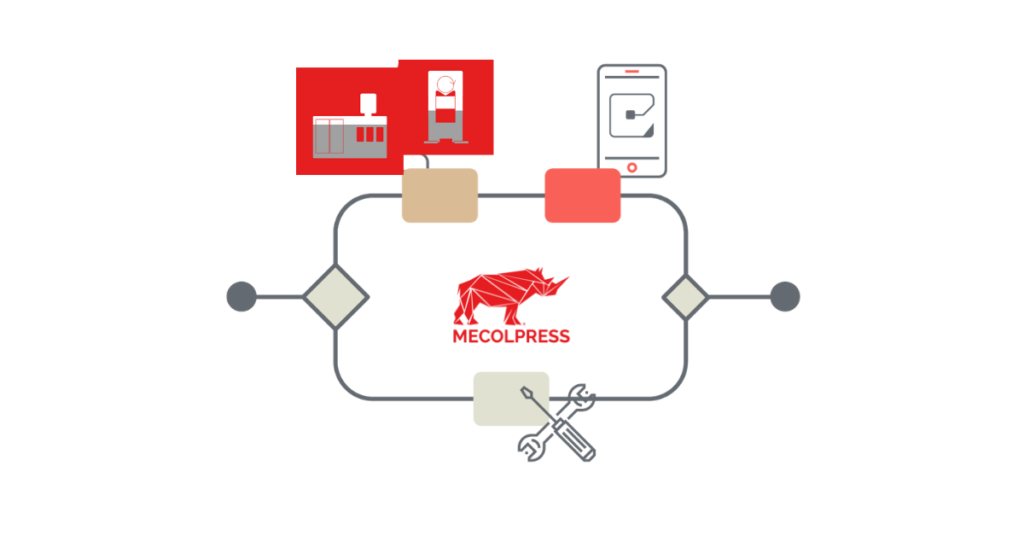
Cloud Presses
This year at EMO2019 we will give practical demonstration of how smart our machines are.
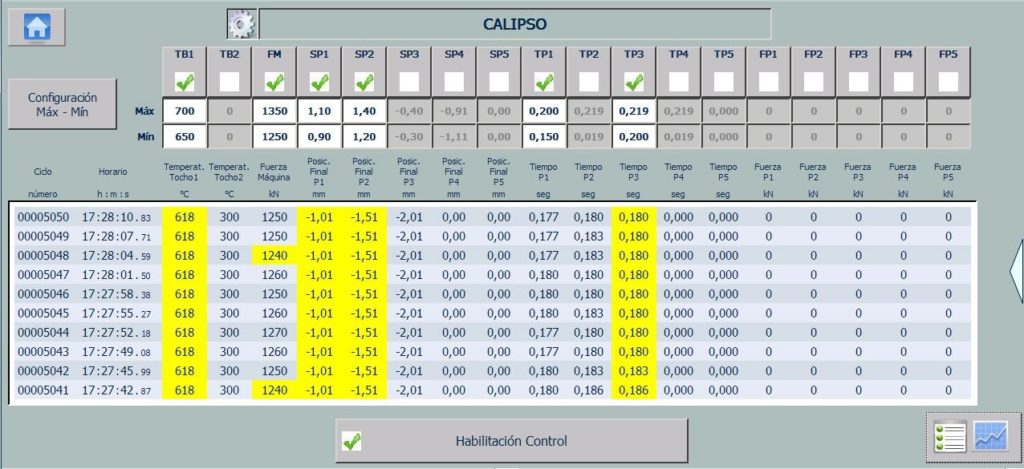
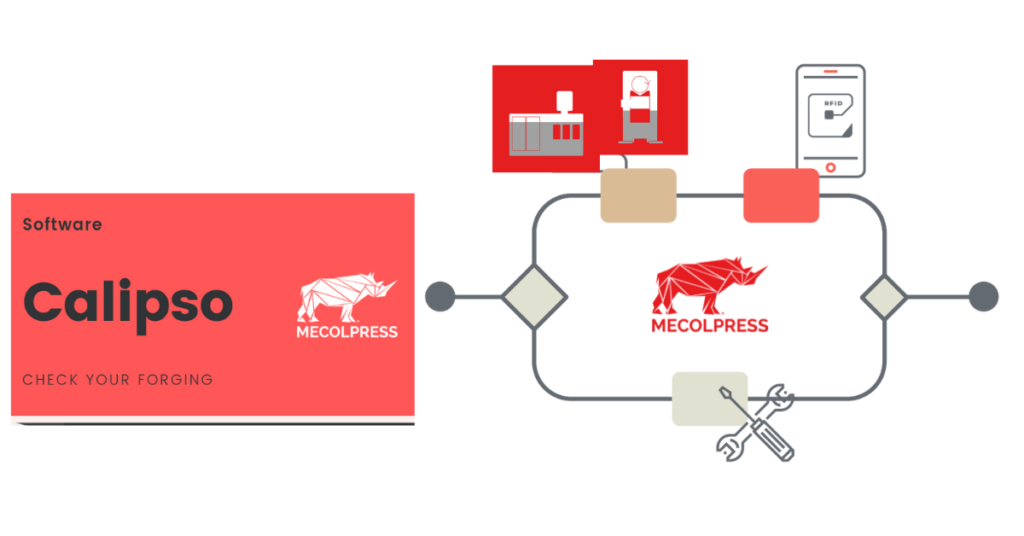
Created by Mecolpress for forging statistic control, Calipso is a software that allows to control the press activities during the entire production cycle, and it is an useful instrument for analyzing the production and for intervening where it is necessary to optimize it.
This intelligent software for the analysis of the production process also includes a sophisticated technology for managing non-conformity
Once all these data have been produced, it will be possible to log them, analyze them and import them into the customer’s management system.
For each machine cycle, a series of parameters are recorded on the operator panel, the last 10 cycles are displayed in tabular form.
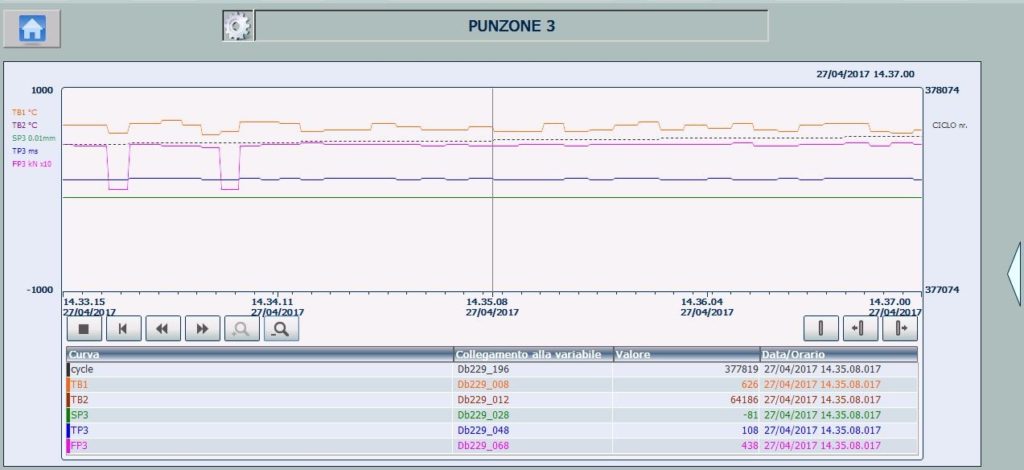
Moreover, the parameters are recorded (the last 10000 cycles) and displayed in the form of trend.
Through the trend it is possible to carry out a cross-check, in order to idedntify the reasons of possible non-conformities.
An example:
At the EMO2019 exhibition in Hanover we present something more:
a practical demonstration, an example of how our machines can communicate with external systems and devices.
Thanks to the collaboration with the Smeup Industrial IoT department, it was possible to integrate our brand new HEAVY 400 mechanical press and ME 100 hydraulics with their IoT Platform.
The production information collected by Calipso can be viewed in real time through dashboards, for an optimal understanding of the data collected by the press.
Dashboards are created using a simple, intuitive and visually striking web tool. Looking at something that is happening at the very moment you are observing is very different from seeing deferred data. In a landscape where speed in making decisions is a determining factor, these tools offer an important contribution.
It is possible to monitor all this, in addition to the local one, also in the cloud: a very interesting aspect as it is possible, through a simple browser, to visualize the result through any instrument connected to the network, from the smartphone to the tablet to the PC, you can always take a look at the data collected, all in real time!
Monitoring the activity of the press, having the information that we are always interested in, getting important alerts or messages useful for example for predictive maintenance, is an interesting plus even for the forging sector that now more than ever becomes intelligent and in step with market demands!
Keep following us, the news will not be missing!



Calipso Software
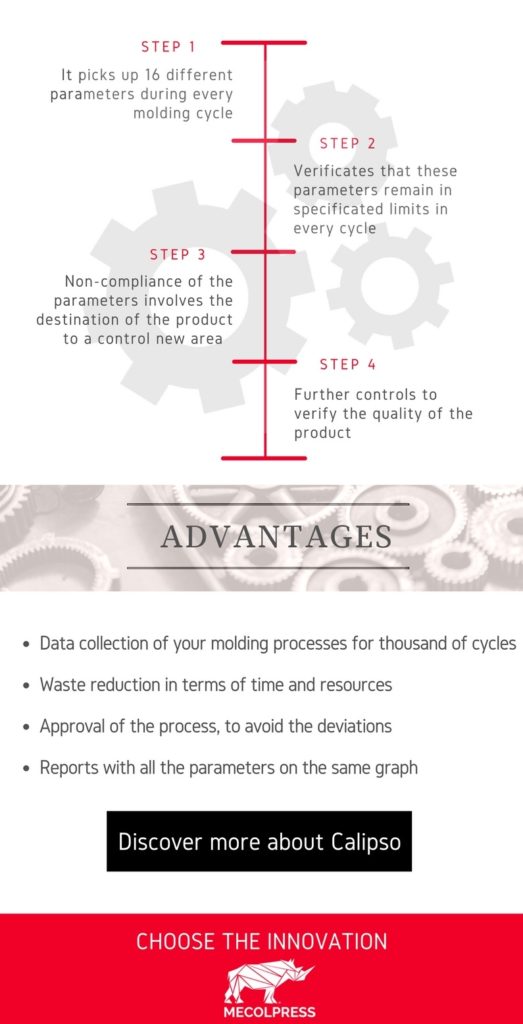
The Mecolpress Calypso System is a powerful software instrument that, thanks to a network of specific sensors and transducers on the press, collect up to 16 different parameters during each single forging cycle, all day long.
The recorded data are compared with the values set by the operator, for each of these it is checked that they stay inside a tolerance range (the width if which is decided by the operator) and in case one of these parameters in one cycle should result to be too different from what we had verified being the desired value, the piece forged during that specific “irregular” cycle is discharged in a separate area, to allow further controls.
In addition, the operator can program the system when this has to interrupt the automatic cycle production, after how many rejected pieces the machine shall suspend the production and wait for a human decision before to restart.
To go back to Einstein statement mentioned in the previous article, to be sure to do what I always did, and exactly in the same way I did it, I need an extremely reliable and precise process control and data collection system, and I also have to have an evaluation instrument of the collected data that allow me to have a true picture of how the forging cycle is performed, so to lead me to take decisions on the basis of reliable information.
Mecolpress Calypso does not only collect the typical data of the forging process for thousands of cycles, but create as well graphical representations of more than one parameter on the same graph to understand, for example, how the punches forward force is changing depending in relation with the billet temperature, and for all parameters show the variation trend over the time.
Mecolpress presses for the hot forging of metals are offering to you a production cycle analysis instrument that allow you the statistical forging process control, helping you to foresee when irregular deviation from the “nominal” process will arise, so that you can anticipate them and avoid that time and resources go lost in producing irregular parts and in sorting the good and the bad ones from a single container.
SPC CALIPSO
From Wikipedia, :
“Statistical process control (SPC) is a method of quality control which uses statistical methods. SPC is applied in order to monitor and control a process. Monitoring and controlling the process ensures that it operates at its full potential. At its full potential, the process can make as much conforming product as possible with a minimum (if not an elimination) of waste (rework or scrap). SPC can be applied to any process where the “conforming product” (product meeting specifications) output can be measured. Key tools used in SPC include control charts; a focus on continuous improvement; and the design of experiments. An example of a process where SPC is applied is manufacturing lines.”
How to translate in simple words the concept of Statistical Process Control?
Albert Einstein was saying:
“If we keep on doing what we always did, in the same way we always did it, we will always get the same result”.
The great physician used this statement to suggest the need of innovating, of thinking in a different way. But at the same time, we can have a fully positive interpretation of this principle: to be able to repeat a successful process exactly in the same way it was done previously, will certainly deliver again as good as the previous ones.
Let us transfer the concept in our world, the hot forging of metals. Here is an example:
If with a forging cycle we have obtained parts that, after dimensional, aesthetical and quality testing, are verified to be perfectly complying with the order prescriptions, it is highly possible that the next cycles, if repeated exactly with the same parameters, will lead to the same production result.
-
- software calipso di Mecolpress
During a component hot forging cycle process, there are so many parameters that can influence the result and therefore the quality of the produced parts and that are peculiar of that specific cycle, among these are:
-
- Temperature of the billets,
- die closing force,
- force applied by the coring punches,
- total cycle time,
- stroke of the punches,
- speed of the punches,
- weight of the unloaded forged piece…
Read more about Calipso Software