Each material requires the right forging technology
Mecolpress hydraulic, mechanical, and screw presses for hot forging of brass, aluminum, and stainless steel
Brass, aluminum, and stainless steel require different forging technologies. Mecolpress, with over 50 years of experience in hot forging metals and alloys, offers the most suitable solution according to the material, component geometry, and required productivity.
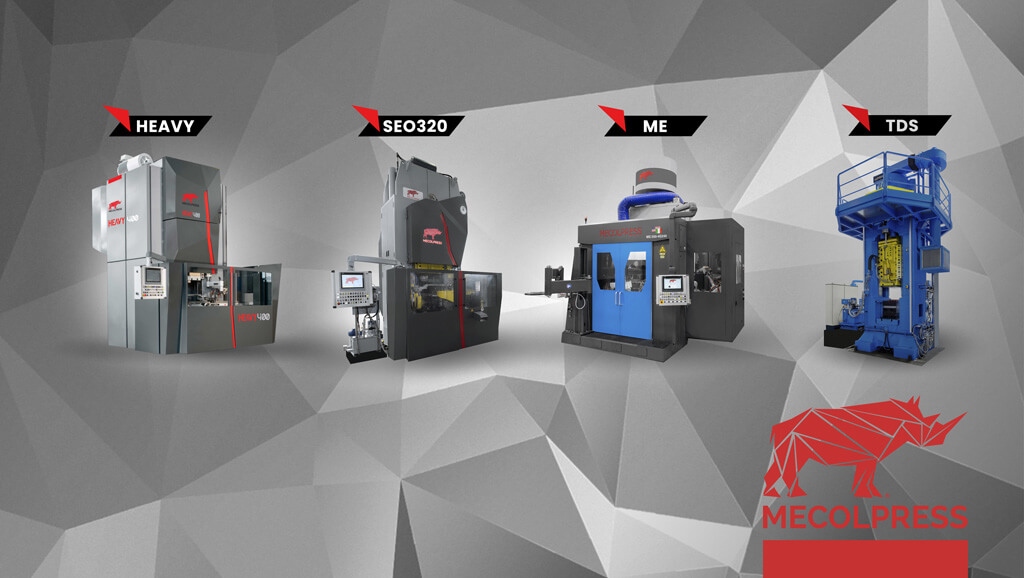
Mecolpress can propose three different technologies:
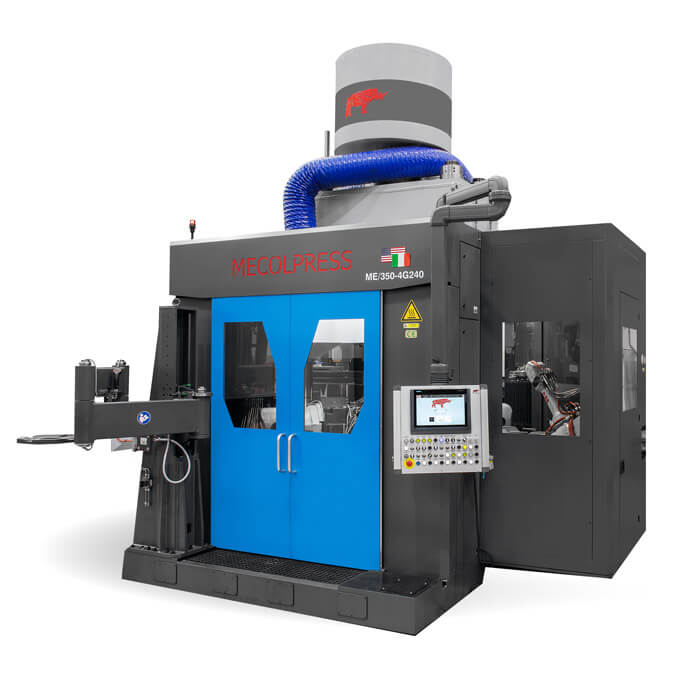
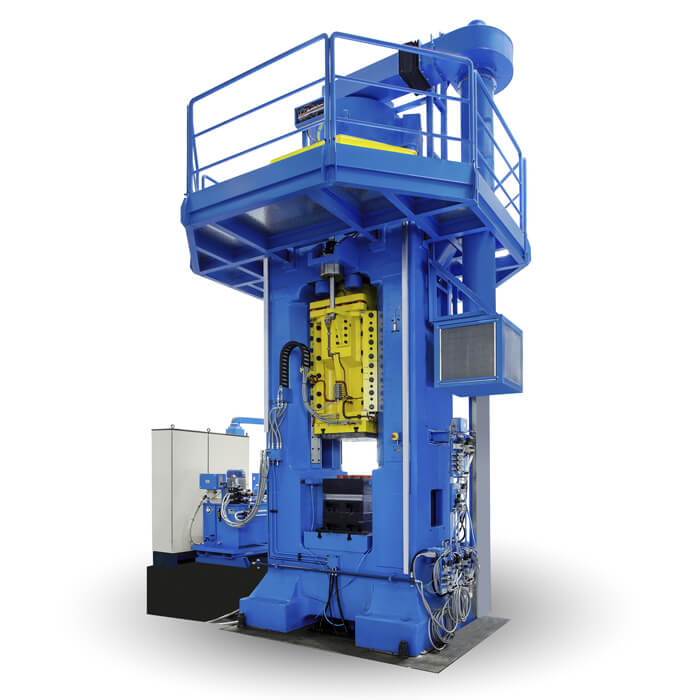
ME hydraulic presses
Mecolpress hydraulic presses reach up to 500 tons of dies clamping force and can be configured with four horizontal punches, up to 350 tons, and one vertical punch.
They are particularly suitable for forging complex-shaped brass and aluminum components, flash and with deep holes pre-forming
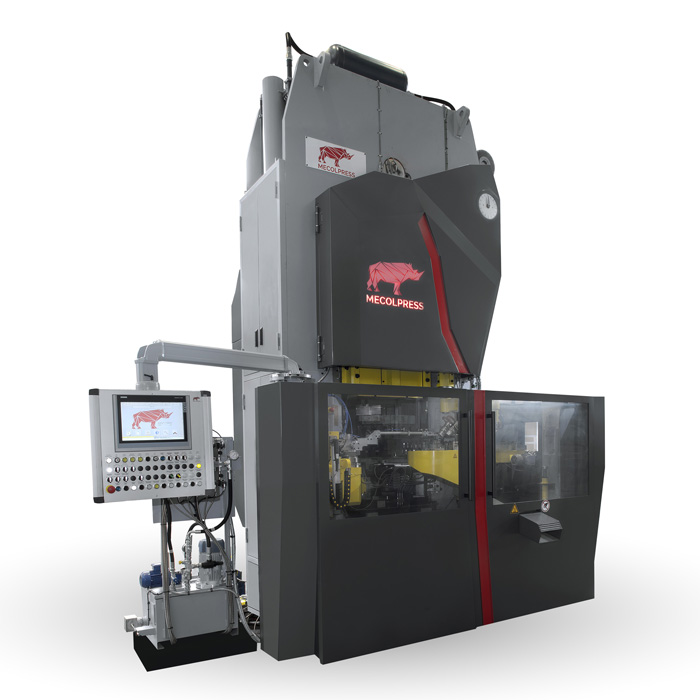
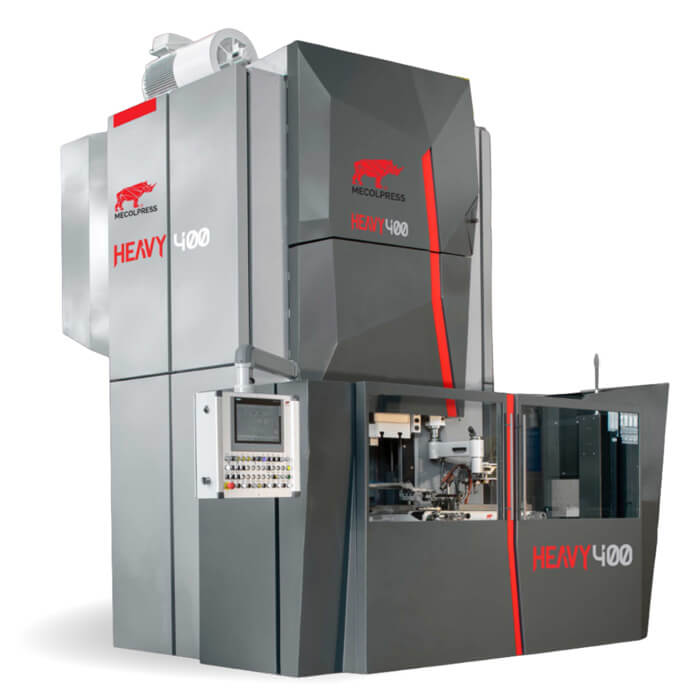
SEO and Heavy mechanical eccentric presses
Mecolpress mechanical presses have capacities of up to 600 tons and can be equipped with hydraulic cushions of up to 120 tons.
They are suitable for the high-productivity forging of brass and aluminum components, with speeds of up to 40 strokes per minute.
TDS and FDS screw presses
Mecolpress screw presses are designed for forging steel, stainless steel, aluminum, titanium, and other special alloys.
They are particularly suitable for components with complex geometries, thin thicknesses, and for processes requiring high deformation energies.
.
Efficiency and process control
Mecolpress technologies are designed to improve productivity, efficiency and control of the forging line.
Among the main advantages:
- reduced energy consumption, thanks to modern electronic and hydraulic power management systems;
- high production capacity, thanks to short cycles, multi-cavity dies, and process automation;
- control of forging parameters through Calipso software;
- reduced setup times, thanks to quick dies changing systems;
- remote and on-site assistance and availability of spare parts to ensure production continuity.
The Calipso software allows to collect and monitor the main press parameters during each forging cycle, comparing them with the set values and contributing to improve process quality control.
How the forging process changes depending on the material
Material types influence temperature, required force, dies design, and process parameters.
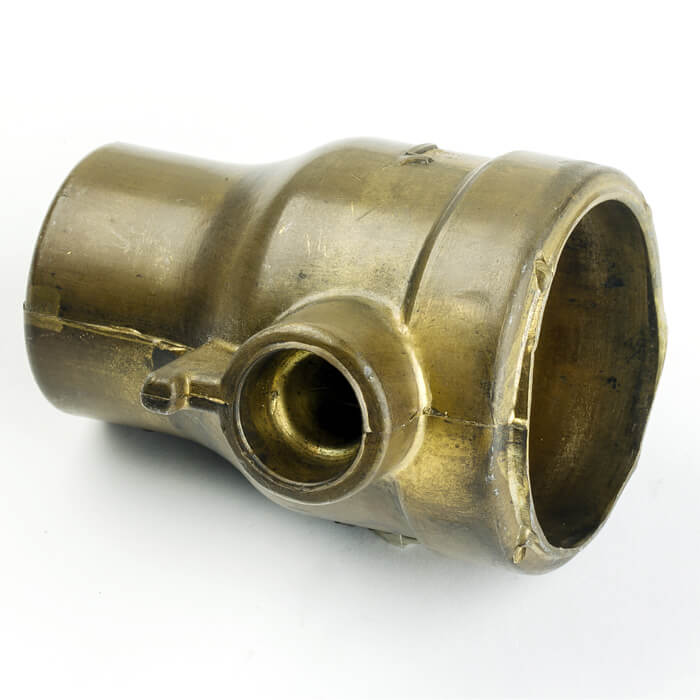
Brass features high ductility and good hot fluidity, with a relatively wide thermal window and generally low risk of cracking.
The forging temperature is approximately between 650 and 750°C, depending on the alloy.
It allows for short cycles, high productivity, and the creation of complex shapes and deep holes. It is widely used in the production of fittings, valves, hydraulic components, and complex parts produced in large quantities.
Depending on the component and the required productivity, Mecolpress can offer ME hydraulic presses or SEO and HEAVY mechanical presses.
Alluminum
Aluminum offers good deformability but requires more precise thermal control.
The process temperature for the most common forging alloys is approximately 430 to 500°C.
The 6000 series alloys generally have good forgeability, while some 7000 series alloys require more attention during the process.
Aluminum offers an excellent strength-to-weight ratio and is particularly used in the automotive, aeronautics, and transportation sectors.
Depending on the alloy, geometry, and production volume, it can be processed with hydraulic presses, mechanical presses, or screw presses.
Stainless steel
Stainless steel offers greater resistance to deformation, even at high temperatures, and therefore requires higher pressing forces and particularly robust dies.
The forging temperature is approximately between 900 and 1,200°C, depending on the alloy.
It guarantees high mechanical strength and excellent corrosion resistance, making it particularly suitable for the food, medical, chemical, and structural industries.
For these processes, Mecolpress primarily offers its screw presses.
Brass, aluminum, and stainless steel compared
| Material | Hot forgeability | Process temperature | Indicative mechanical resistance | Corrosion resistance | Process complexity |
| Brass | High | 650–750 °C | 300–400 MPa | Good | Low |
| Alluminum | Good | 430–500 °C | 250–450 MPa | Optimal | Medium |
| Stainless steel | More challenging | 900–1.200 °C | 550–600 MPa | Excellent | High |
The values shown are indicative and may vary depending on the alloy, the geometry of the component and the process used.
Mecolpress technology for each material
Each material presents specific forging requirements.
Mecolpress combines hydraulic presses, mechanical presses, screw presses, automation, and Calipso software to identify the best solution for the material, component, and customer production objectives.
Contact Mecolpress to identify the most suitable technology for your forging process
The Mecolpress team is available to provide a customized technical analysis.
📩 Contact us through our website: www.mecolpress.com